
Silent Slayer: Vault of the Vampire review – narratively justified arduousness

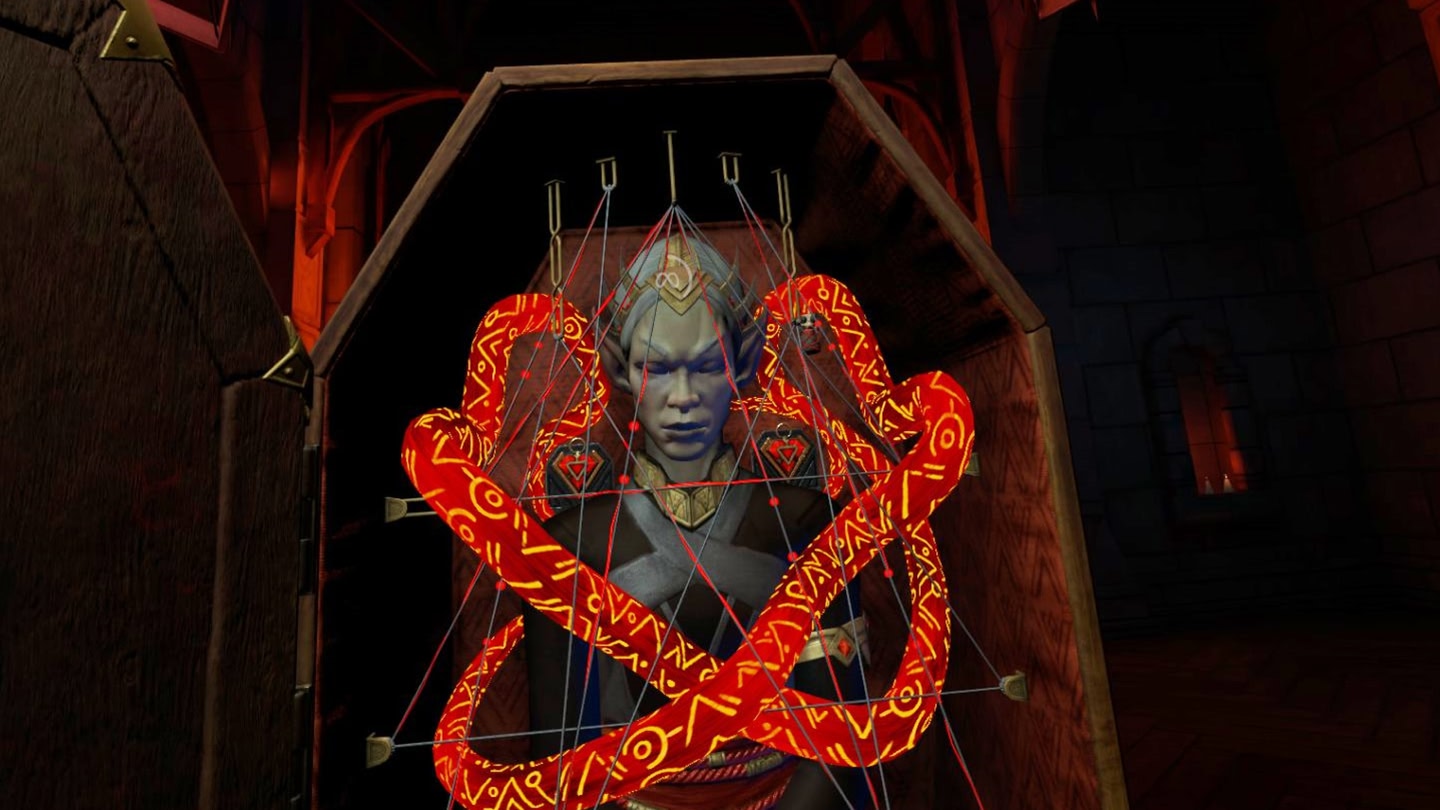

I never finished Silent Slayer: Vault of the Vampire, which was released on Quest headsets in June last year. Nor do I want to. The thing that turns me off revisiting and completing this experience is the same thing that’s kept it lodged in my brain—the very thing that makes it special, and makes me want to write about it now. It’s a rare example of a game that’s painstakingly slow and arduous, albeit in entirely narratively justified ways.
Imagine playing a bomb diffuser working to neutralize a sensitive explosive device, using small, fidgety tools to cut and detangle cables. Go too fast, make a mistake, and it’s KABLAMO! Game over. That’s essentially the premise of Silent Slayer—but instead of bombs, you’re cracking open coffins containing vampires and sending these bloodsuckers back to hell. Your weapon is the good old-fashioned stake to the heart, but never has this method of vamp-slaying felt so intricate or so stressful.
Developer: Schell Games
Release date: June 6, 2024
Available on: Quest headsets
Experienced on: Meta Quest 3
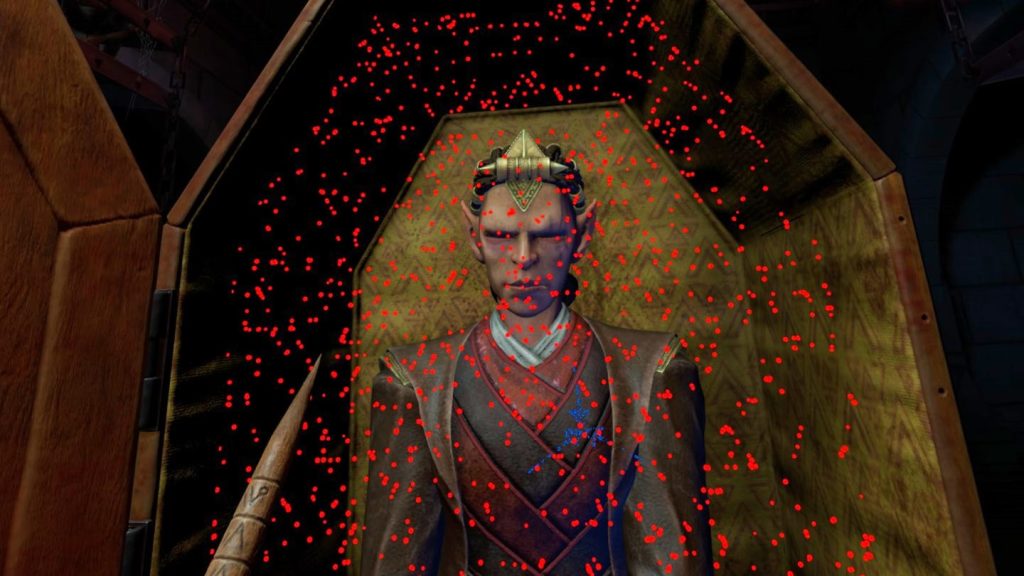
I always assumed Dracula, Count Orlok, Lestat, and all those other bloodsuckers would sleep like the dead—being, indeed, dead. But these bastards are actually very light snoozers: move too quickly or make too much noise, and they’ll leap out of their vertical coffin and get ya.
You might also assume their coffins could be opened and closed with ease. Au contraire: that’d be too simple. Here, the process is maddeningly complex, involving dislodging bolts, removing nails, and tracing patterns to break layers of magical protection. You need to be very sllllooowwww, very careful, very patient.
Silent Slayer is set in the cellar of a castle where there are a dozen-odd slumbering vampires, each progressively more difficult to slay. Accompanying you—fulfilling the role of mentor and tutorial guide—is a talking book, with a single large eye embedded in its cover that follows your every move.
When it comes to entertainment, pure and simple, this game is fundamentally flawed: the further you progress, the more annoying it becomes to play. You’ll die plenty of times, every death sending you right back to the start. Patience is the key word. I was struggling for it—big time—during the fourth vampire, which killed me an embarrassing number of times.
I had to play this game in short bursts, over several nights, because I couldn’t stand doing the exact same thing again and again, with no variation at all. It’s a chore, it’s a bore, it’s maddeningly fidgety. And yet, I can’t help but admire how the developers have given these frustrations a narrative purpose. The logic, story-wise, is impeccable, informing every aspect of the experience, narrative and gameplay wrapped together like a double helix. This is rare and special—and I’ll be damned if I’m ever returning.