
Titanic: Echos From the Past review – close to tragedy, far from thrilling

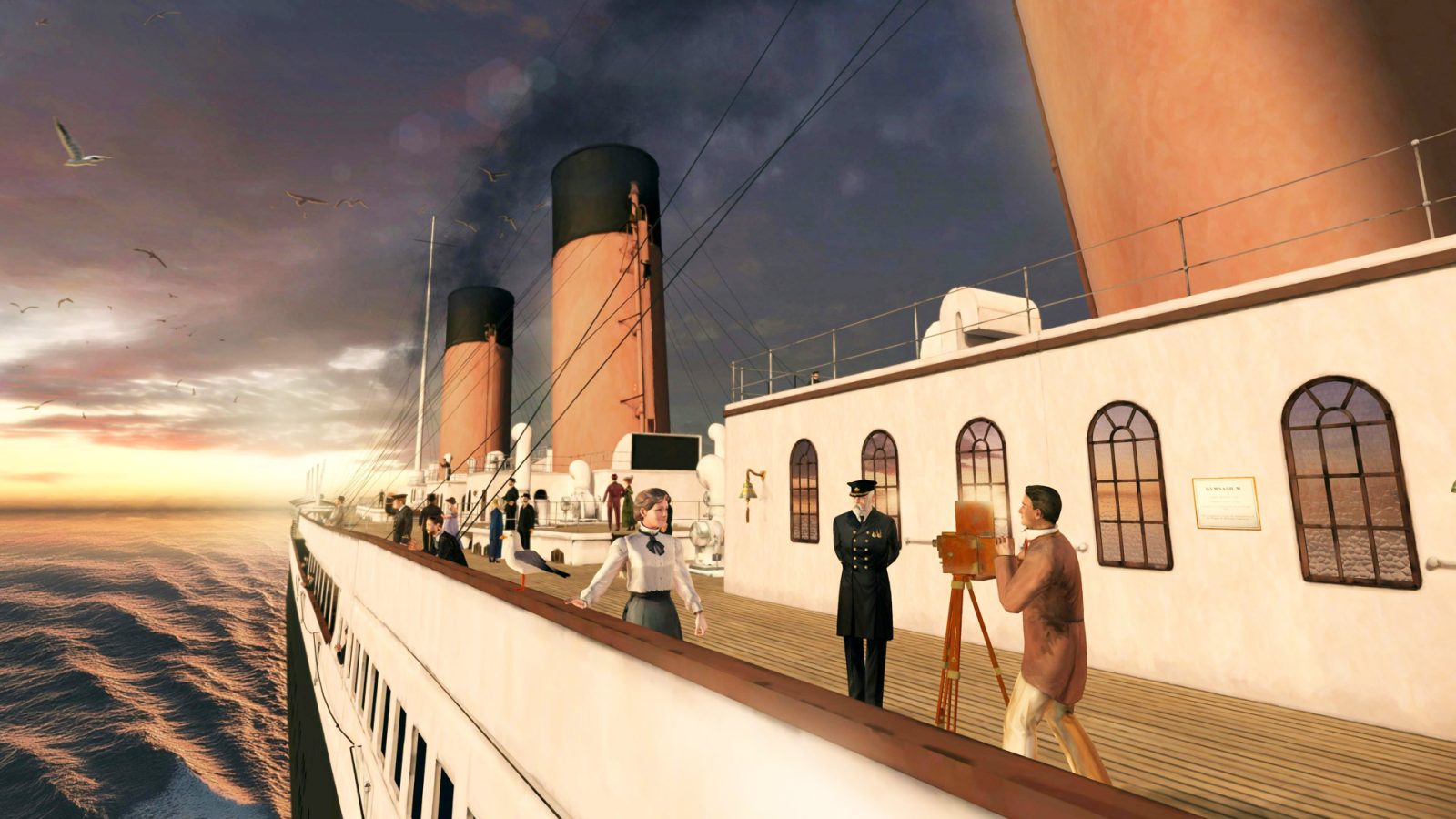

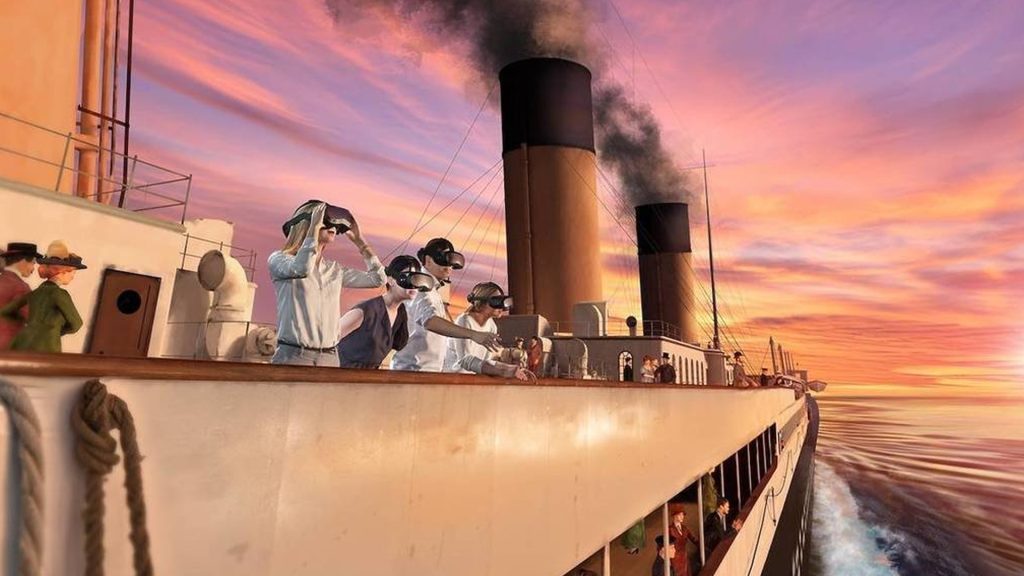
It feels rather frustrating to be somewhere interesting, at a moment in time that’s interesting, yet still sense that you’re not where you should be—that you’re missing out on the real action. I often felt like that in Titanic: Echoes From the Past, a free-roam, location-based VR production about a certain ill-fated vessel that’s been making its way across the globe, popping up in cities including London, New York, Shanghai, Kaohsiung and Brisbane. The latter is where I checked it out, with three other people—it’s a multi-user experience—at the annual Muse XR event. I emerged feeling a little like I’d arrived at a great party but spent all night in the foyer.
It’s possible that this was a matter of taste for directors Benjamin Auriche and Jean Dellac and their writers; perhaps they didn’t want to come across as crass, as if they were sensationalising a tragedy. But there are ways to conjure doomed spectacle without having it feel exploitative; James Cameron’s blockbuster movie certainly achieved that. I suspect it was more a matter of creative challenges and logistics, and a less-than-thrilling overarching approach: a window-box view of history in which the most compelling events feel unreachable—behind glass, proverbially speaking, close but oh so far away.
Developer: Eclipso
Premiered at: London, on February 13, 2025
Experienced on: Meta Quest 3
The one scene that really worked for me takes place in the engine room, capturing the moment the captain realises the ship is bearing down on the iceberg and there’s no time to stop or turn away. This sequence is effective in that it conjures a visceral thought: what must this moment have felt like? The horror is not in impact but anticipation—the terrible charge that must have passed through the room when people understood a) what was about to happen and b) that it couldn’t be prevented; this was the pregnant pause before catastrophe.
In most other scenes, I felt “meh.” It’s often a good idea, with relatively short (the runtime here is roughly 30 minutes) spectacle-based experiences, to begin and end with a bang. Audiences can forgive flat spots if they’re bookended by moments of oomph and bravado.
Sadly, that’s not the case here. Echoes From the Past begins in the present day, the participants huddled around a research vessel, listening to a woman prattle on about the voyage we’re about to take. The trip takes a while to get going, and when it does, we find ourselves positioned deep down in the ocean; there are sprigs of activity (i.e. jellyfish) but it’s visually drab. This drabness is justified, locationally speaking, though the experience as a whole is aesthetically a bit “meh”—far from awful but with graphics that come across a little clunky and dated.
In another version of the script, perhaps at the start we were passengers boarding the ship, moving through the confetti and commotion, sharing the excitement we now know would curdle into tragedy. That would’ve been more narratively immersive—with none of that modern-day distancing—and perhaps more expediently immersive too. One interesting storytelling flourish is the decision to highlight passengers who’ve been historically overlooked, such as Canadian filmmaker William Harbeck and Chinese sailor Fang Lang.
It’s a strong concept, which could’ve provided narrative shape and form; structurally for instance the production could’ve been divided into separate chapters, highlighting different people. In the scheme of things however this approach feels oddly half-developed. There are other strange decisions: the ending, for instance, is clearly intended to be the grand finale, taking place at the start of the Titanic’s journey, as it leaves Southampton, England. We’re part of a group of people waving farewell, in a moment that feels mistakenly jubilant; we are, of course, watching doomed souls embark on an ill-fated voyage. How can we be optimistic, when we know what comes next?