
Wall Town Wonders review: a lovely sense of community

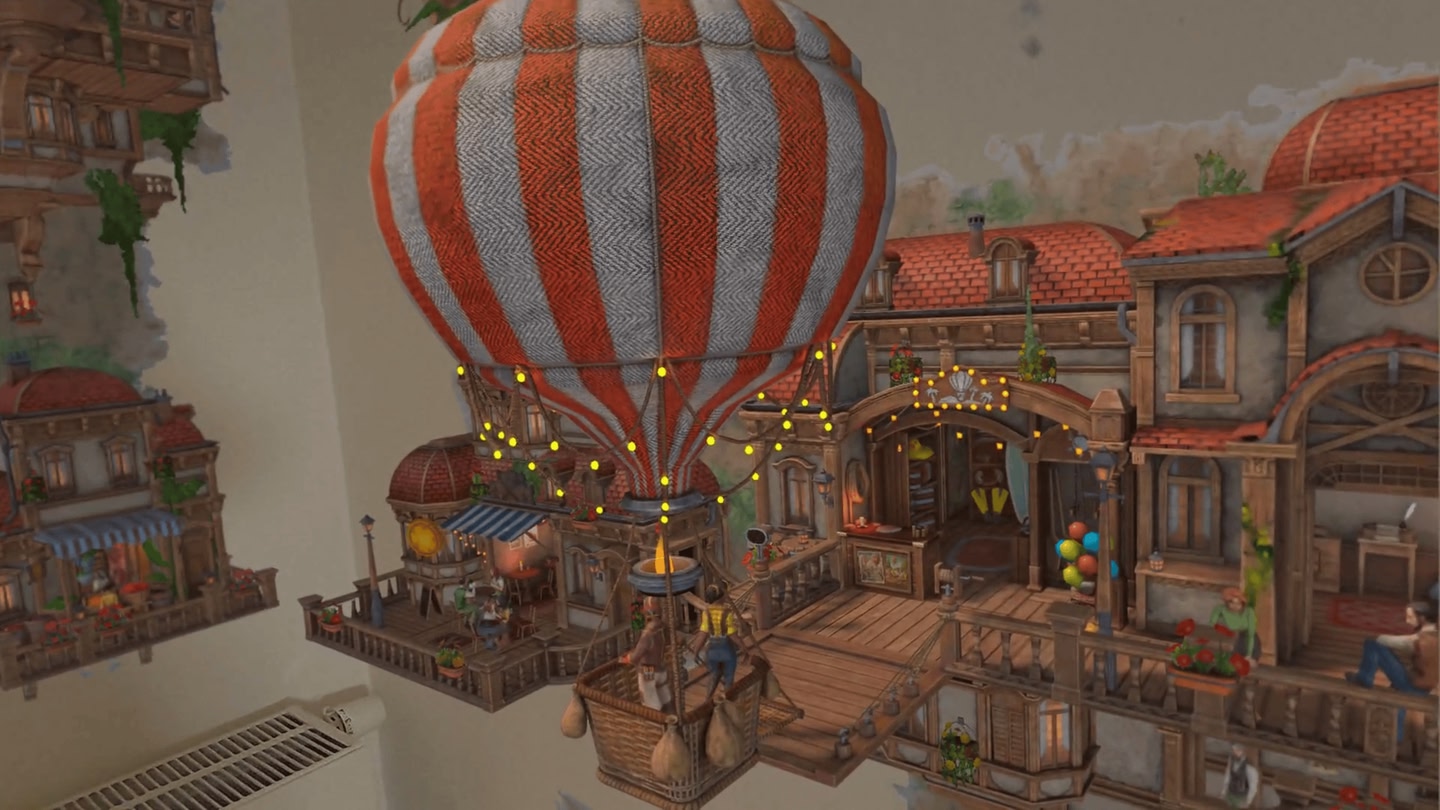

Wall Town Wonders is a cute mixed reality experience that transforms a wall in your house into vertical terrain on which you construct a small town, populated by little people going about their daily business. I played it intermittently for a few months, never feeling a pressing need to return but enjoying the experience every time I did. Lovely miniature buildings and characters create a bustling sense of community, and, like all diorama-like productions, imbue the player with an omnipotent feeling—like we’re a god watching on from a higher reality. Maybe our own universe is just a patch of cosmic wallpaper in some dude’s lounge room.
Wall Town Wonders has been described as a “city simulator” and “city builder,” though those labels feel a little too stately for such a sweet and simple experience. Imagine a (very) stripped back SimCity, crossed with a (very) stripped back The Sims, and filled with fiddly minigames. Our primary role is to construct buildings and harvest resources, using the latter to provide for and upgrade various structures. The citizens have basic needs and demands: the mayor wants to improve the sandstone walls, for instance; the restaurateur needs produce to cook with; the farmer requires water and seeds.
Developer: Cyborn BVBA
Release date: November 21, 2024
Available on: Quest headsets
Experienced on: Meta Quest 3
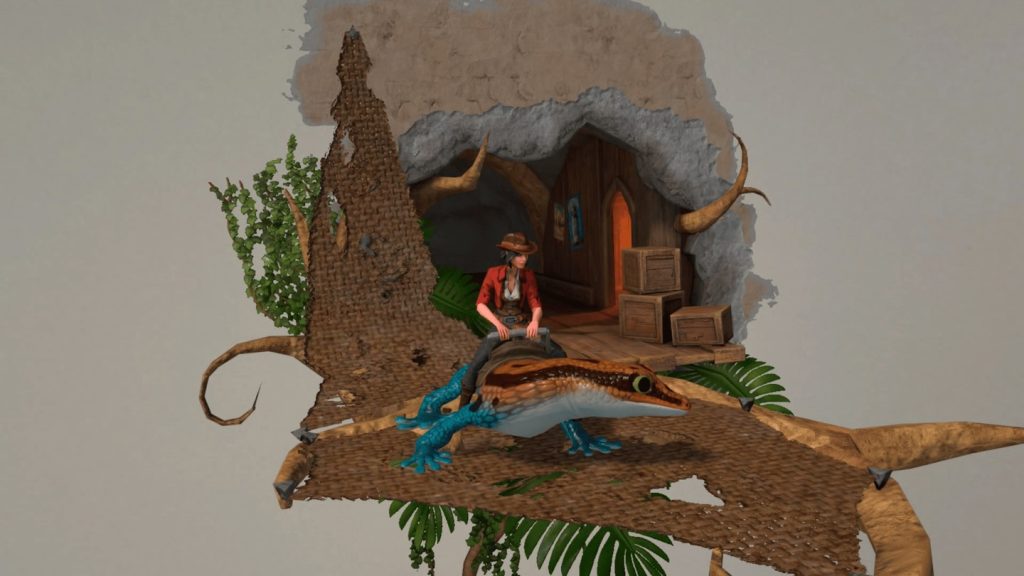
The aforementioned minigames bring some hands-on monotony to these processes. To provide for the farmer we must spray the ground (our own floor, below the town) with water to locate mushroom seeds. We then distribute these to Mary, the farmer, who instructs us to “put the gathered seeds in the ground and watch the magic happen.” We’re then required to water the soil (why doesn’t Mary do this, I wondered…in fact, what does she do all day!?) then protect the crop from invading bugs. Little critters scurry across our wall, making a beeline for those sweet mushies, so we shoot ‘em with a tiny crossbow.
There are many more activities where these came from. Some are tiringly repetitive: I tried to avoid controlling the miner as he goes to work, sledgehammer in hand, banging on rocks and extracting natural resources, because I found these segments dreadfully basic and boring. Moments when the townspeople partake in sports and pilot flying vessels fare a little better, though the controls are fidgety. The game’s aesthetics however help keep all this palatable: it really looks a treat, with beautiful, retro, European architecture—lots of wood, stones, bricks, and curved rooftops.
Key to the game’s appeal is the fantasy that the wee townspeople are living lives independently of our own. This comes across most basically through animated routines assigned to the citizenry, which involve simple things—like reading books, chatting, and waiting for a meal at the restaurant. It’s easy to imagine that when we’re not looking, these people are doing other things, filling out the stories of their lives.
And yet, it’s only in the imagining that this part of the experience really registers. When Walltown Wonders asks us to influence their narratives, or even just follow these narratives, the experience falls short. Sometimes we’re asked to make decisions involving the minutiae of their lives: early on, for instance, we choose whether the mayor eats a pesto or ketchup sandwich.
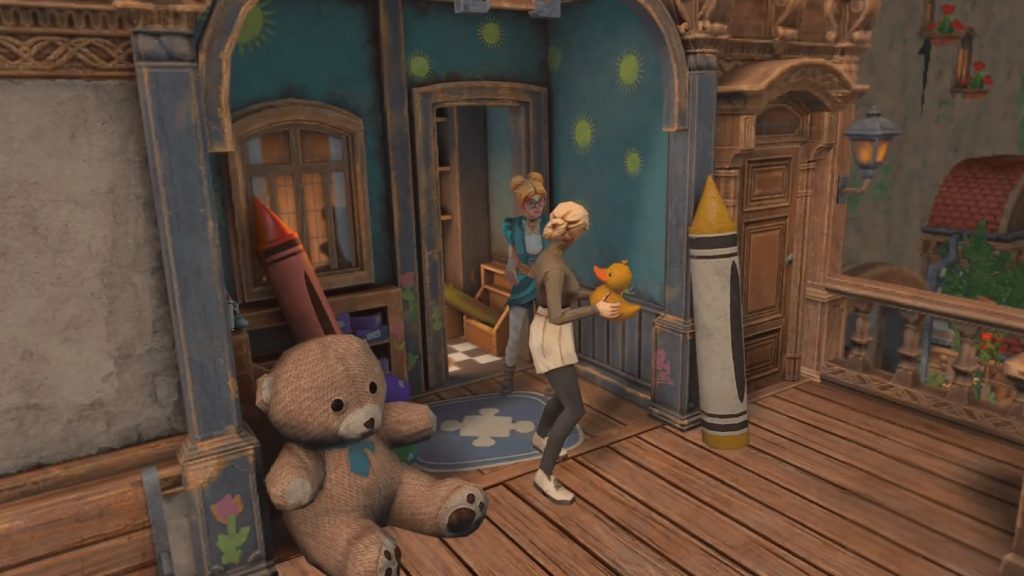
Sometimes the choices are more substantial, such selecting which characters go on a date, but you never sense the game being serious about any of this; we don’t steer the citizens like we do in The Sims. We’re weirdly pushed between being an interventionist and non-interventionist god; this aspect doesn’t feel thought through. These people live their own lives, then all of a sudden, we’re asked to select the gooey substance they spread on their sandwich. What gives?
I never felt invested in the characters’ lives, because Wall Town Wonders is only partially committed to filling them out. But I did feel invested in the town, with its cozy vibes and comforting design. The unusual and pleasurable way that this game evolves a sense of place alone makes it worthwhile.