
Little Nightmares VR: Altered Echoes – tonally rich cozy horror

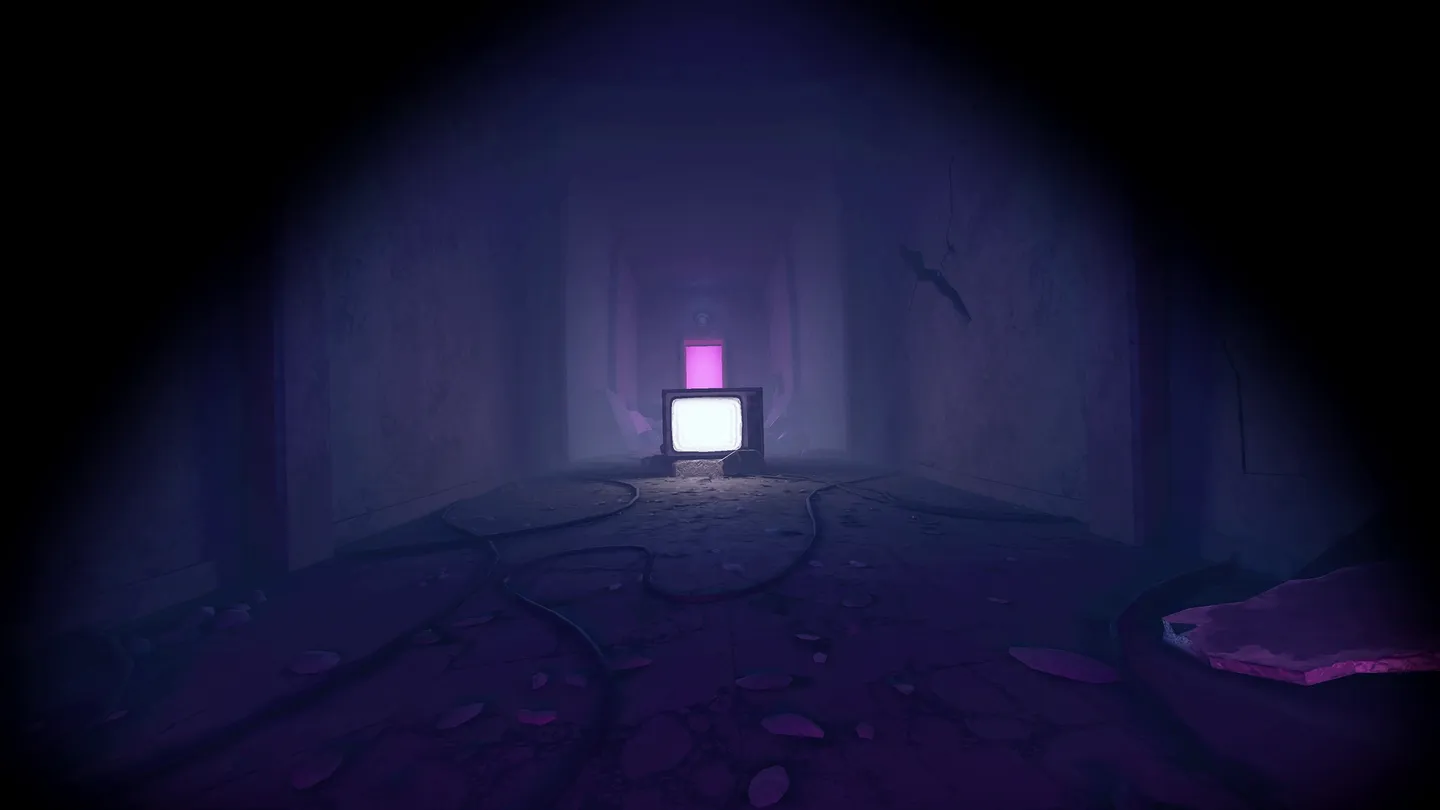

In Little Nightmares VR: Altered Echoes, narrative is never as important as tone. And that tone is very evocatively wrapped up in worldbuilding and environmental design. You can’t help but feel this universe, which is styled—like the previous installments in this well-regarded cozy horror series—in the spirit of a children’s nightmare. It’s filled with decaying detritus: broken-down TV sets; once-loved toys; all sorts of rusted doohickeys and thingamabobs. It’s also monstered by grotesque adult presences, distinctively human but freakishly contorted—with elongated coiling necks, twisted visages, and horribly flabby bodies.
It was a (dark) pleasure to navigate this otherworldly realm. A place where the nightmares aren’t little at all—quite the contrary—though we certainly are. The player inhabits the body of a girl named “Dark Six,” who is very small: closer to the size of a figurine than that an actual child. While the game’s predecessors unfold in third-person perspective, this one switches to first-person, utilising one of the core modalities of VR—a medium capable of rendering embodied, behind-the-eyes experiences more powerfully than any other.
Developer: ICONIK
Release date: April 23, 2025
Available on: Meta Quest headsets, PSVR2, SteamVR
Experienced on: Meta Quest 3
The developers entered this space knowing that dollhouse perspectives look great in VR, including those with a Halloweenish, Burton-esque aesthetic, such as the narrative-driven movie-esque experience Gloomy Eyes. Part of the appeal must also have been VR’s amazing ability to turn scale into spectacle, which has been demonstrated many times previously, including the “God mode” in the Asgard’s Wrath games, which shrinks spaces to create omnipotent-like views, and the surreal storybook world of last year’s The Midnight Walk, which deploys handcrafted, miniature-looking environments.
This is a long way of saying that the decision to bring the Little Nightmares franchise to VR, in the way the developers have, makes sense, and was vindicated by the finished product: a polished, consistently engaging experience that always feels connected to a carefully realised world. Much of the game consists of navigating darkened spaces, avoiding the aforementioned ghouls (expect a fair amount of sneaking around and hiding in corners), and completing light puzzles. You know the kind: finding missing parts to enable wind-up mechanisms; inserting items into circuit breakers; throwing objects to trigger buttons.
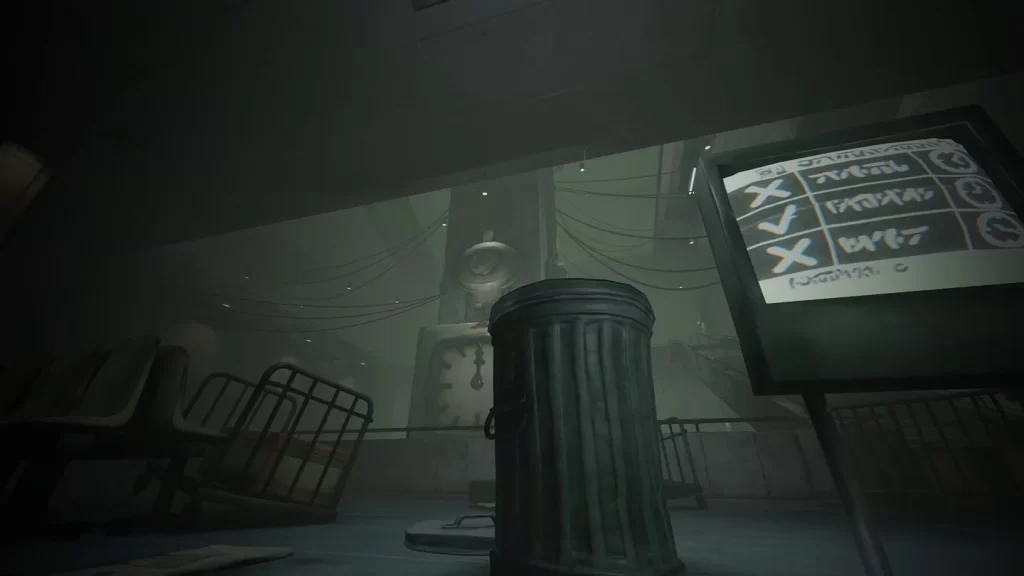
One of the central tensions in good video game design is between direction and discovery: guiding players through spaces while presenting the illusion of freedom. This is something Altered Echoes does particularly well; it feels like we’re exploring even when our options are, in fact, limited. Sometimes quite obviously, such as when we’re confined to narrow passageways. But on other occasions it was more a matter of me feeling truly immersed in particular set pieces. For instance, a decrepit, run-down train station, which feels equally lived-in as abandoned: a place haunted by traces of former existence, caught between what it is now and what it once was, hinting at histories of ruin and catastrophe without ever defining them.
That rich ambiguity persists throughout the experience, which took me around four hours to complete. The imagery is consistently simple, yet strikingly surreal: doors opening onto blinding light; broken-down television sets; books and other objects suspended in mid-air, defying the rules of the known universe; rusty, hand-cranked music boxes beckoning to be wound. The small details linger in the mind, while the larger questions—Where are we? What happened to this world?—remain tantalisingly out of reach, hovering at the edges of the imagination.