
Being in You review: a moving experiment in ‘reverse embodiment’ (Venice Immersive)

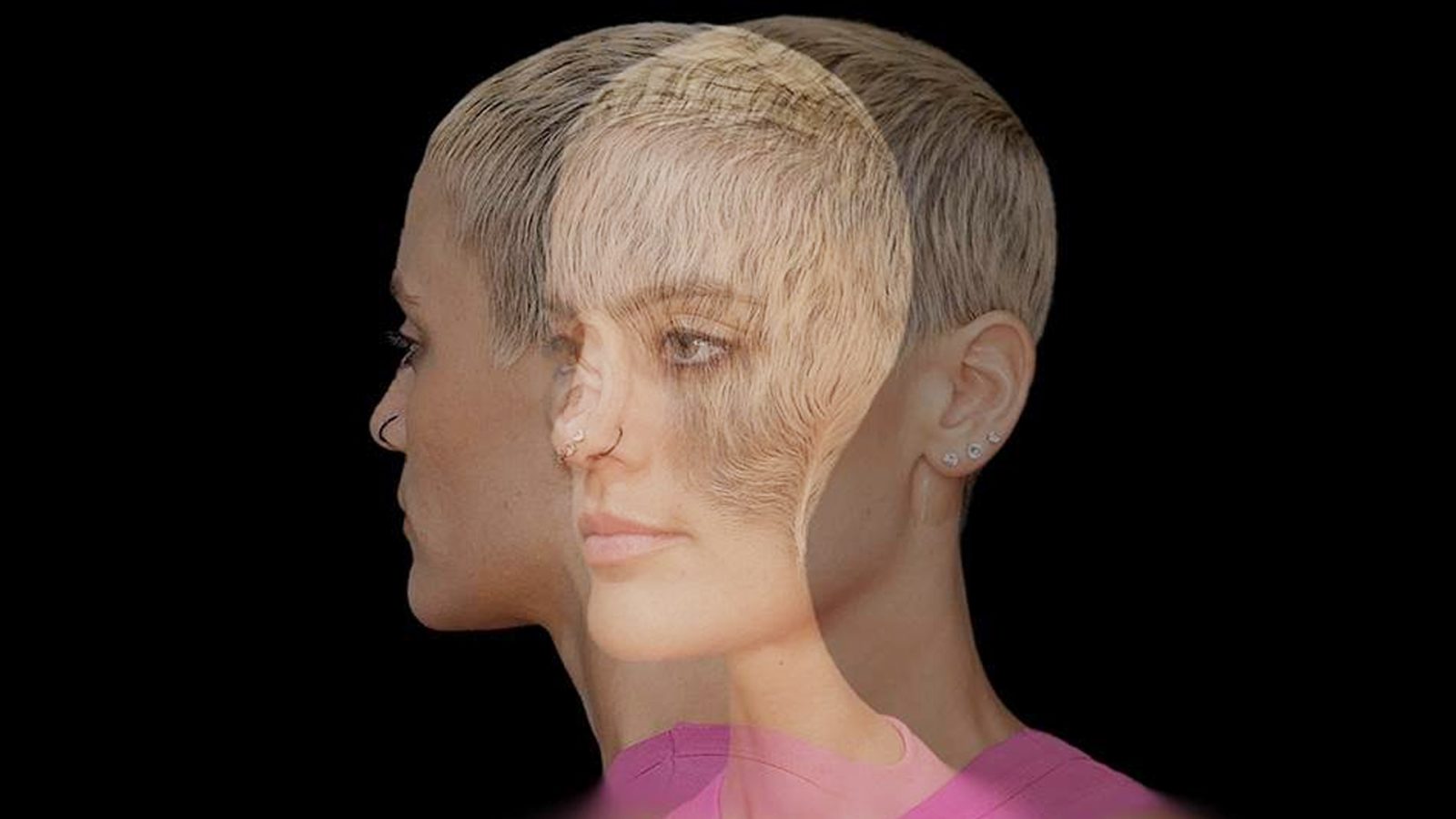

Virtual reality productions can be extraordinarily powerful as “being the eyes” experiences, built on transporting our physical selves into virtual bodies. But what if the opposite were true: another body, another self, transported into ours, beaming in from some faraway place – perhaps another dimension, perhaps somewhere beyond the mortal coil?
That’s the core idea in Being in You, which director Michał Stankiewicz described to me as “reverse embodiment.” It’s an ambitious mixed reality documentary – rightly pegged in its official Venice Immersive synopsis as “a tender duet between the living and the no-longer living” – based on interviews recorded shortly before the death of musician and geologist Cat Janice, who passed away in February 2024 from sarcoma, a rare kind of cancer.
Director: Michał Stankiewicz
Screenplay:
Michał Stankiewicz, Catherine Janice Ipsan, Ash Eliza Smith
Lead developer: Jakub Oleś
Running time: 22 minutes
Janice speaks to us throughout the experience, often about bodies – ours and hers. In an early moment, set in a blacked-out space, she asks us to look at our hands and study the details; naturally, we oblige. Later, her hands appear beneath ours, creating a surreal effect: a double layer of bodies, physical and virtual: a kind of cosmic bodily interplay between one world and the next.
Here, Stankiewicz’s ambitions rub up against technical limitations. When we turn our palms upward, a menu icon pops up on Quest headsets – a non-diegetic intrusion that doesn’t belong to this world and pulls us out of it. When Being in You was developed, Meta offered no way to disable it; here’s hoping the company comes up with an easy fix and lets developers switch it off.
There are scenes in Janice’s bedroom and living room, which she captured herself on her smartphone, rendered as vivid spatial environments. In one lovely mixed reality moment, waves from a beach roll into our physical space. It’s a beautiful effect and an evergreen source of metaphor: the rolling waters of time, the ancient, life-replenishing rhythms of the ocean. There’s something – many things – about this sight that humans never tire of; it’s like an elixir for the soul.
Throughout the experience, I wondered: what does Janice look like? It’s a human need, or at least a human desire, to put a face to a voice. Stankiewicz never takes the easy or expected route (starting with her hands, for instance), though we do eventually catch a glimpse of her. Near the end, a series of fragment-like videos appear in different spots around us, displayed with great care and taste. They have a fitting kind of scratchiness, like dribbles of memory or small pieces of consciousness surfacing in unexpected ways.
But it’s those moments with hands that resonated the most. We can’t feel Janice physically, yet we feel her in some way, crossing some threshold. This is a memorable, meditative experience.