
Tomori review: a strange window into intimacy (Venice Immersive)

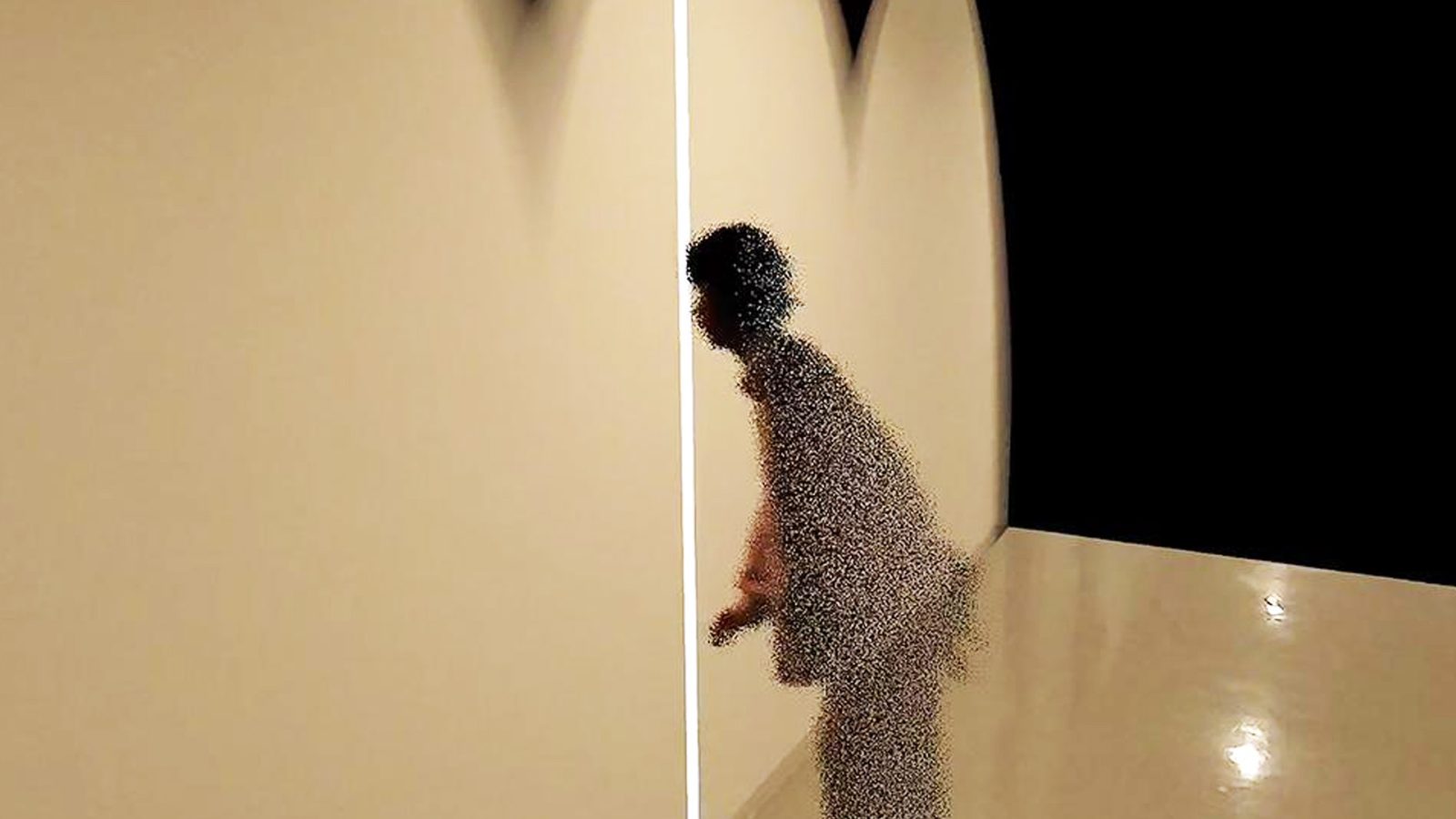

A common desire among VR artists is to use the technology to extend and broaden out space, embracing the illusion of a virtual world extending beyond the boundaries of the physical one. Thus, when you peer out virtual windows, you might look into panoramas, another horizon, or another room, building, etcetera – elements that imply a broader external universe.
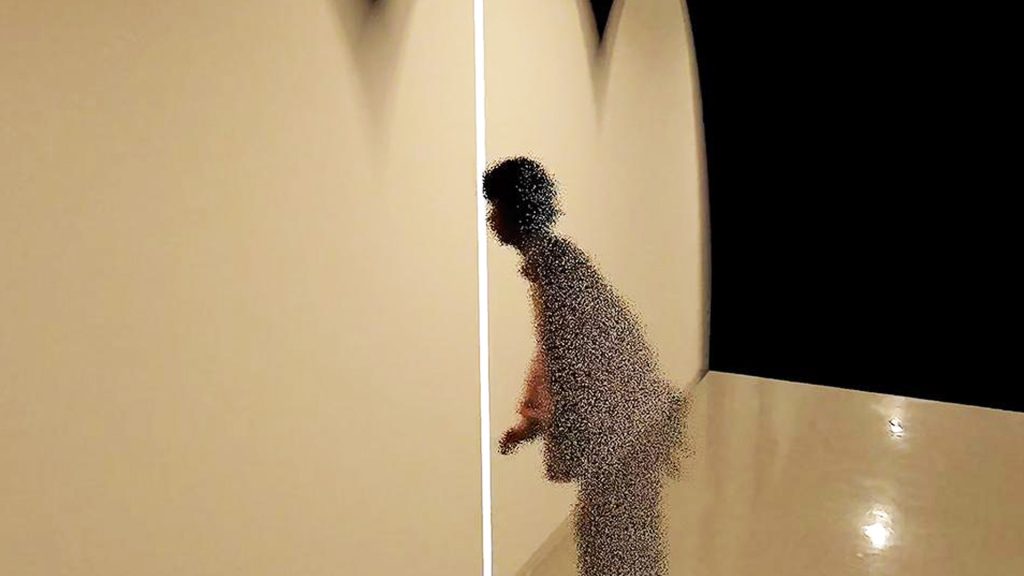
But Misa Haru – the director of Tomori, a very unusual mixed reality experience about a man coming to terms with intimacy issues – takes that aspiration and throws it down the gurgler. There were lots of virtual windows, inserted into the rectangular, shipping-box-sized room in which it was exhibited at Venice Immersive. But these windows, while enabling us to observe various domestic scenes relevant to the protagonist, create a paradoxical, flattening effect.
Director: Misa Haru
Art directors:
Misa Haru, Hal Xing
Running time: 20 minutes
They’re not pretending to be spatial, to give the impression of a fully rendered and navigable world. Quite the opposite: they’re like sheets, external walls or surfaces onto which two-dimensional videos are projected. It’s a weird effect.
The experience begins with a slab of text explaining that the protagonist, Shizuku, recently met someone at a bar with whom he shared a mutual interest, but it didn’t go anywhere because of his intimacy issues. A therapist noticed and inserted herself into his life, wanting to help, encouraging him to attend a counselling session, which he does.
She appears before us: we have embodied Shizuku, though that embodiment never feels entirely real; the objective is to probe him psychologically rather than evoke the sensation that we’ve inhabited his body. We’re instructed to sit on a white chair, which is there in real life; I suspect almost everybody would plonk their caboose on it, as I did. The therapist begins to unpack Tomori’s intimacy issues. Where do they come from? Probably where they all come from for all of us: our home, our family, our formative years.
Then begins that series of window-like displays, in which we look through gaps into various domestic visions: a woman trying on a dress, people faffing about at home. The experience returns periodically to the therapist, providing a narrative anchor. The tone – including, of course, the dialogue – is serious, sombre, reflective.
I was unclear about some of its emotional messages, and even the meaning of some of the dialogue; perhaps there is an element of it being lost in translation. As if in recognition of this, the core thematic message is literally spelled out in front of us at the end, a slab of text arguing that the common perception of intimacy places a disproportionate emphasis on sex. The layering effect is memorable, but I was left a little cold by the experience; it felt more cerebral than personal.