
Remnants review – a ghost story with nothing new to haunt us

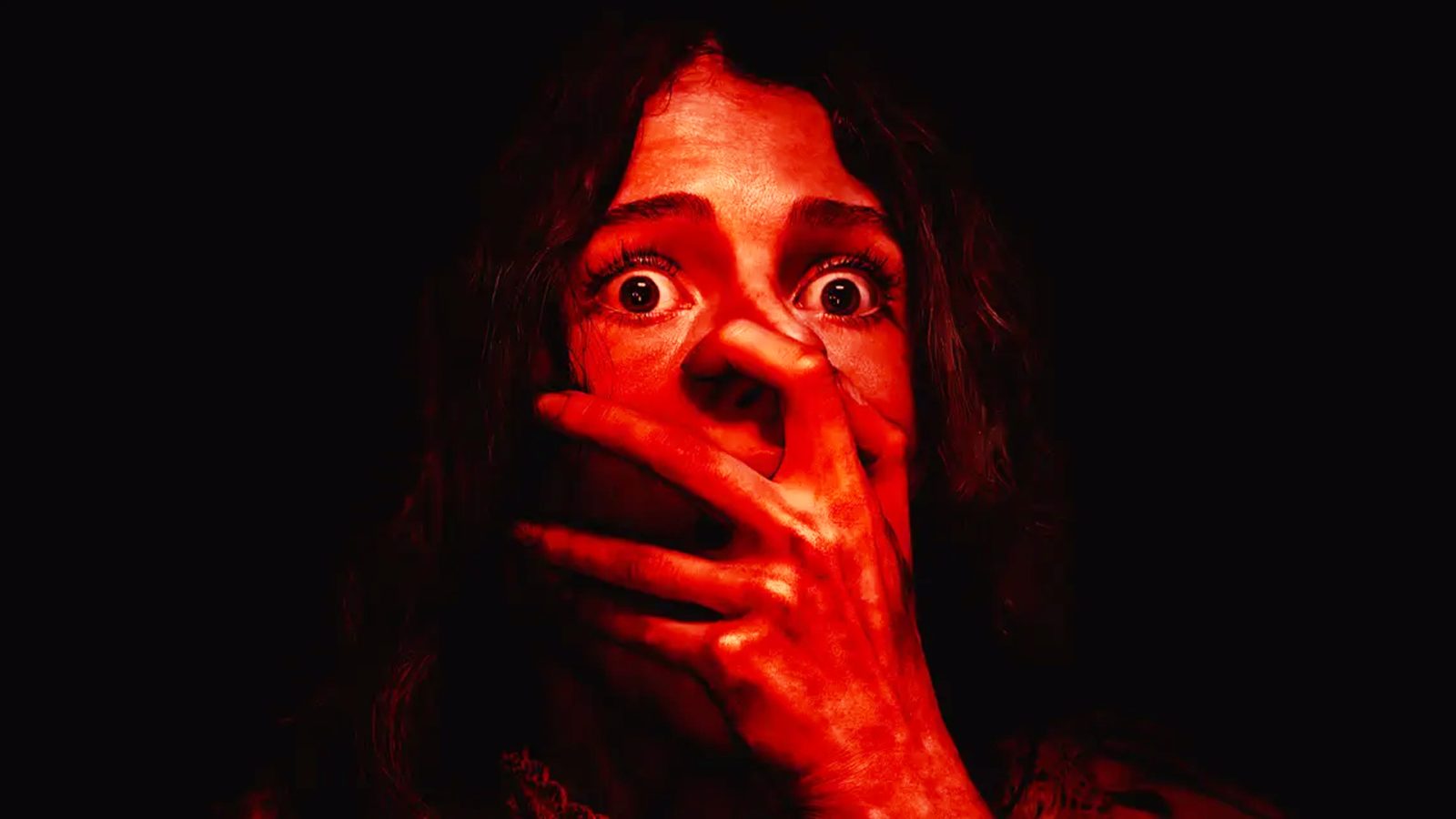

Immersive technologies open up amazing new kinds of storytelling possibilities – yet so many productions show zero interest in exploring them. Ti West’s short horror film Remnants is, indeed, a film through and through, predicated not on using the Vision Pro to take audiences somewhere different, but simply transplanting familiar cinematic conventions into Apple’s headset. It’s a tired and rote haunted house experience, with creaky floorboards and creakier narrative elements, centred on a female protagonist encountering a very cranky, very hideous ghost with presumably awful halitosis.
The 27-minute production opens in a tavern in 1886 London, where the caretaker (Ralph Ineson) of Woldmere Castle warns Eleanor (Lucy Boynton) not to venture there. She intends to appraise and sell the castle, “along with any remnants in it”, but is very unambiguously informed that if she goes there she “will not return”. The caretaker has clearly Seen Things, functioning as the equivalent of a scientist in a disaster movie – i.e. the person who really should be listened to. This very archaic-feeling prologue ends with the caretaker saying: “I warned you.” The subsequent events, of course, prove him right.
Director: Ti West
Writer: Ti West
Cast: Lucy Boynton, Ralph Ineson, Olwen Fouéré, Alex Conlon
Running time: 27 minutes
When Eleanor arrives at the grand and imposing Woldmere Castle, my mind goes back to Meta’s 180 video series The Faceless Lady, from 2024, which is set in the same real-world location: Ireland’s Charleville Castle. The majority of the runtime consists of Eleanor wandering around the property by herself, wearing a long, striking deep-blue dress, while sinister noises tinkle on the soundtrack. And, naturally, the sound of rain, because of course it’s raining: the drama takes place on a dark and stormy night.
The film’s slow-building atmosphere and broodingness eventually give way to jump scares. These are the most low-rent form of horror filmmaking: the cinematic equivalent of a cheap high, like necking energy drinks or sniffing petrol. Jumpscares are even more intense in this format, because that hideous evil woman is right up in your craw, too close for comfort, and there’s no ability to look away. Some scenes are obviously staged entirely around the deployment of these jumpscares, such as the moment when West cuts to a shot of Eleanor lying in bed, in an unnatural position, with a sheet over her, simply so the director can insert the hideous apparition within this closed space.
There are also moments when West breaks an elemental film convention: the 180-degree rule. There’s a time and a place for this, but, in this more immersive format, the effect is especially discombobulating. At the front gate of the castle, for instance, West cuts from behind Eleanor’s back to a shot facing her. Why? For what purpose? This bad, jarring edit reminded me of a discussion we were having years ago, in VR circles, about the nature of editing in virtual reality. One argument was that real life doesn’t have cuts, so neither should VR.
And yes, yes: I know that Vision Pro 180 videos aren’t VR per se – and in fact, Apple deliberately distanced its product from the words “virtual reality”. The point is that a different, immersive medium, with unique strengths and limitations, should necessitate different ways of thinking, different kinds of experimentation. Remnants may be viewable only on new tech – but it still feels tired and moth-eaten.