
Empire at Sea review: a dazzling new frontier for spatial storytelling (Venice Immersive)


One of the most exciting aspects of virtual and mixed reality is the tantalising sense of imperfection they evoke: the feeling that we’re engaging with something truly special, peering through a window onto a crazy-interesting future of creative possibility that isn’t quite ready yet. A sort of preview of what’s to come: a trailer for the future; a glimpse of a far-off horizon, ablaze with wonderfully strange sights and sounds.
It can also be frustrating, with countless projects created during this embryonic period exuding the sense that we’re not there yet – perhaps not by a long mile – the promised land of dazzling spatial entertainment still somewhere beyond the horizon.
Director: Peter Flaherty
Lead developer and technical director: Jesse Garrison
Running time: 22 minutes
Experienced on: Apple Vision Pro
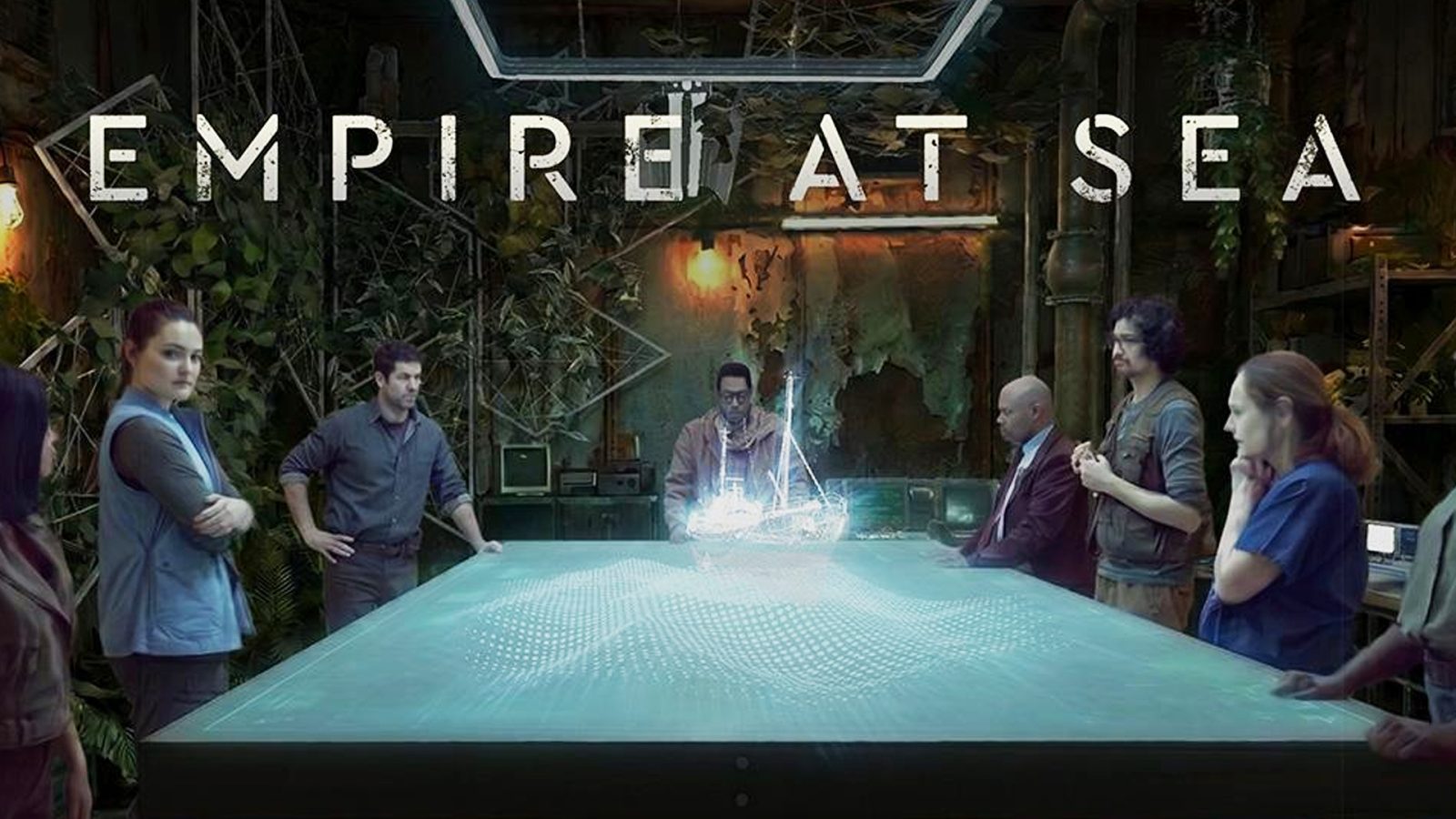
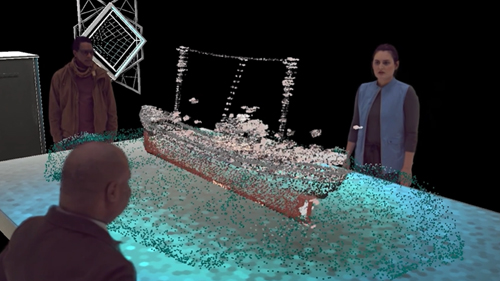
And yet…every once in a while, a production like Empire at Sea comes along that makes you think: “The dream is real, the future is now.” This narrative-driven experience takes place around a large, custom-built table, which functions as a stage upon which volumetrically captured actors appear within sleek, high-end futuristic sets, the experience based on an oil rig in a climate change-ravaged future. It’s viewable by up to 10 people at a time, wearing Apple Vision Pro headsets.
The actors look terrific: intricately detailed and hologram-like. You’ve seen these sorts of visual displays in sci-fi movies; now it’s time to encounter them in the real world.
The narrative revolves around a group of climate scientists – “sustainability nerds,” says one character – situated on the aforementioned rig, named Aurora, where they’ve built a small sustainable community off the grid. Like way, way off the grid, given the grid in fact no longer exists, the world having gone to buggery due to the devastating effects of global warming.
The protagonist is a young woman, Lani (Imani Jade), who spots a large boat approaching, its origins and intentions unknown. The people on board could be friendly, or they could be carrying Immortan Joe and his army of War Boys, arriving to enslave and conquer. “Who knows what they could be carrying?” says one of the Aurora crew. “What if they’re sick, and I have to watch more people die?” asks another.
Thus, a dilemma emerges: do they welcome the vessel, or blast it out of the water? Attacking the ship without a clear justification seems rather rash, though I only really thought about this afterwards; in the moment, I was too wrapped up in the drama and execution. Director Peter Flaherty pulls from a grab-bag of different disciplines: cinematic polish, theatre-like set design and staging, and, at times, an immersive theatre-esque approach to dialogue, whereby several conversations unfold at the same time, the spectator deciding which to listen to by walking around the table and positioning themselves accordingly.
I would’ve been happy to watch the experience unfold from the same visual perspective, with the actors appearing at the same size, because by god it looks great. But just when you think you have Empire at Sea visually pegged, Flaherty throws a new flourish at you – not easy or gimmicky spectacle, but careful rearrangements of the mise en scène and the presentation of the performers.
Empire at Sea is beautifully directed, visually stunning, and even contains the equivalent of a money shot: a real wow moment when, during a climactic narrative point, the Aurora crew vote on what to do, and the characters appear, lifesize, standing around the table, just like us. It’s a hell of a moment: I cannot imagine anybody, anywhere, not being awed. The future is now.